
From Sanitizing to Supporting: Rethinking Modern Hygiene
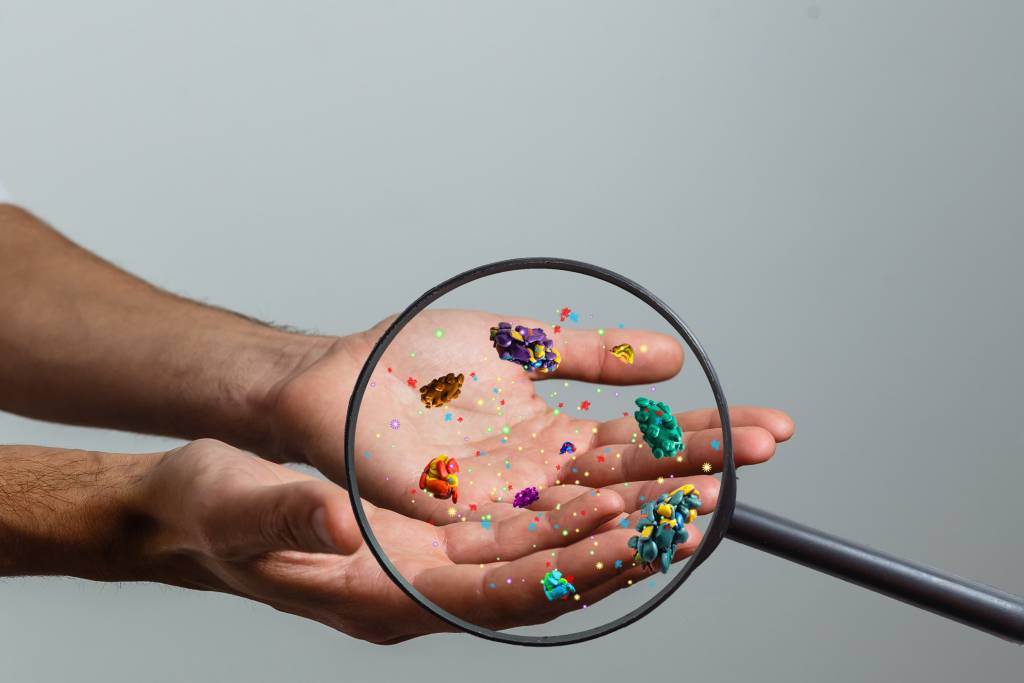
Sanitizing focuses on elimination. Supporting focuses on resilience.
Traditional hygiene models emphasize killing pathogens at all costs. While effective, this approach can lead to repetitive cycles of application and exposure.
A supportive hygiene model asks:
How can we reduce risk while preserving balance?
Modern hygiene should include:
- Intelligent surface disinfection
• Barrier-supportive hand care
• Reduced frequency where appropriate
• Protection that lasts longer between interventions
When hygiene is designed to support rather than strip, skin remains stable, and environments remain protected.
Protection does not require escalation.
It requires thoughtful application.
Modern hygiene has traditionally focused on elimination — removing microbes from surfaces and skin as quickly and completely as possible. While this approach has helped reduce disease transmission, it has also encouraged an unintended pattern: escalation.
Stronger disinfectants.
More frequent sanitizing.
Repeated exposure to chemicals throughout the day.
Over time, this cycle can place stress on both the skin barrier and the environments we live in.
The skin is not designed to withstand constant stripping. It functions as a protective biological interface that regulates moisture, defends against environmental stress, and supports microbial balance. When harsh sanitizers are used repeatedly without recovery, the barrier becomes compromised.
Common signs of hygiene-related barrier stress include:
- Dryness and tightness
• Increased skin sensitivity
• Redness or irritation
• Reduced resilience to environmental exposure
Modern hygiene must evolve from a model of constant elimination to one of balanced protection.
Supporting hygiene means applying protection intelligently rather than repeatedly escalating intensity.
A supportive hygiene model includes:
- Targeted sanitizing where risk is highest
• Balanced formulations compatible with skin health
• Reduced frequency when protection is already present
• Supporting barrier recovery after cleansing
This approach protects people while preserving the systems that protect us naturally.
Skin, surfaces, and environments are not separate systems — they exist within a continuous cycle of exposure and contact. When hygiene strategies consider this relationship, protection becomes more effective and sustainable.
The goal of modern hygiene is not to sterilize the world.
The goal is to reduce risk while supporting biological balance.
When protection supports resilience instead of stripping it away, hygiene becomes smarter, safer, and more sustainable for everyday life.

Lisa Levison
We need to come up with some info to put here....
- CATEGORIES: Hygiene Systems, Modern Sanitization