
Sleep is restorative not only for the mind — but for the skin.
Body temperature naturally decreases before sleep. This slight drop signals melatonin release and supports deeper rest. When indoor temperatures are too high, this process becomes disrupted.
Sleeping in an overheated environment can contribute to:
- Increased transepidermal water loss
• Dehydration
• Sinus dryness
• Restless sleep cycles
Dry indoor air, particularly during colder months when heating systems are active, reduces humidity levels. Low humidity pulls moisture from the skin, weakening barrier integrity over time.
While comfort matters, excessively warm sleeping environments can quietly stress the skin.
Most sleep research suggests that cooler room temperatures — typically around 60–67°F — better support natural circadian rhythms.
When the skin barrier loses moisture overnight, it begins the day compromised.
Supporting skin health during sleep includes:
- Maintaining moderate room temperature
• Using a humidifier when needed
• Applying barrier-supportive hydration before bed
Restoration happens during sleep.
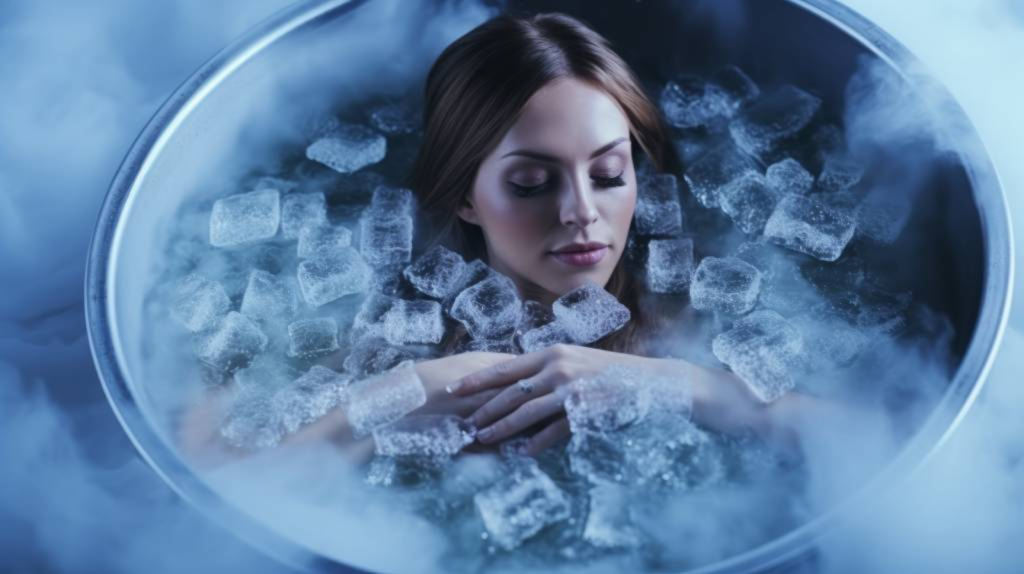
When environmental conditions support natural physiology, both sleep quality and skin resilience improve.
Small adjustments create meaningful long-term impact.